Blue-Green Algae: The Hidden Summer Danger in Highland Lochs
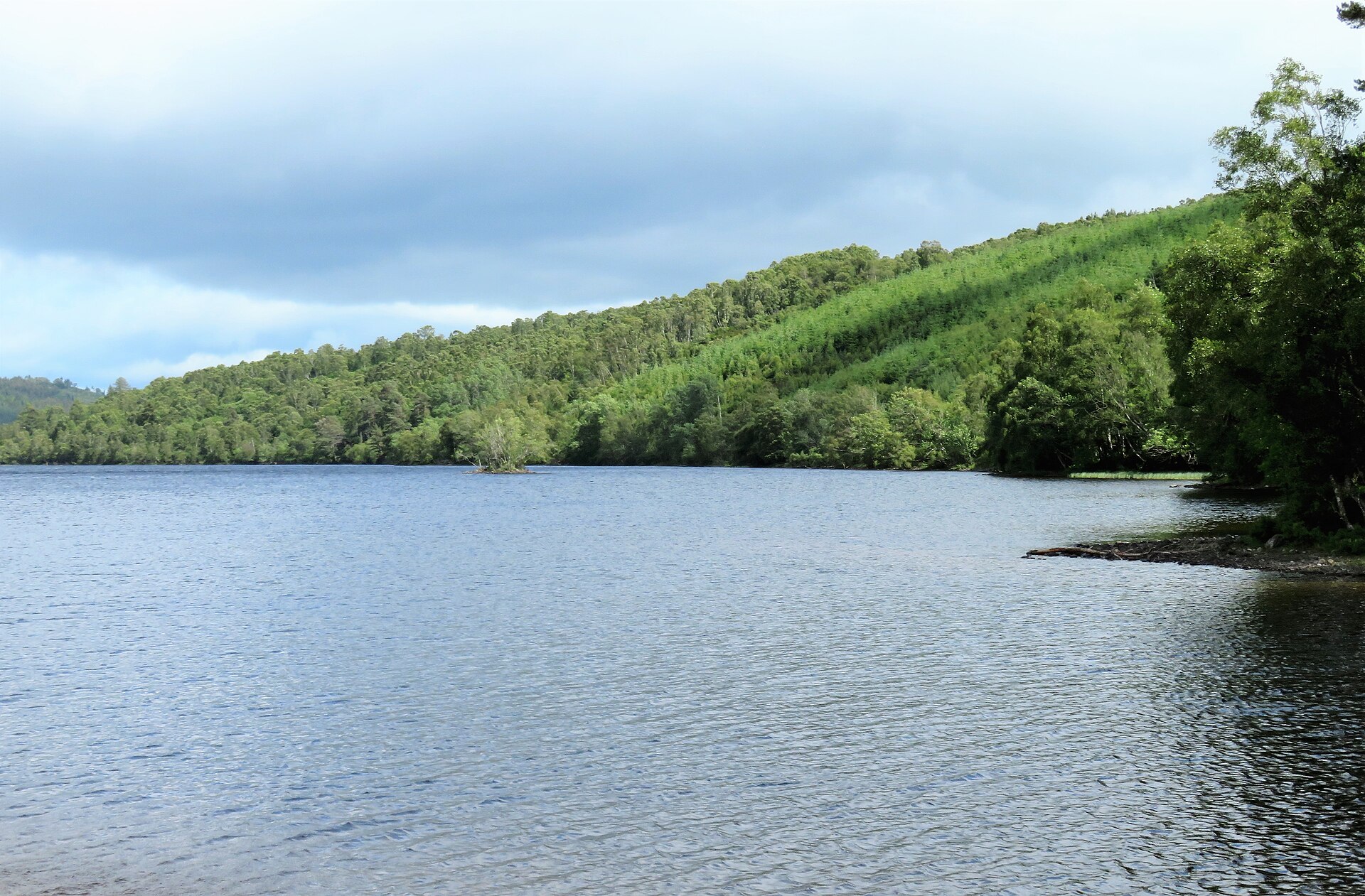
There's nothing a dog loves more on a warm day than a splash in the water — but this summer, vets and Scottish councils are warning owners to be extra careful near lochs, ponds and slow-moving water. The reason is blue-green algae, a natural but potentially deadly hazard that every dog owner in the Highlands should know how to spot.
What is blue-green algae?
Blue-green algae (properly called cyanobacteria) are tiny organisms that bloom in still or slow-moving freshwater during warm weather. When they multiply, they can form a green, blue-green or brownish scum on the surface — often looking like pea soup, spilled paint, or clumps of green flecks gathered at the water's edge.
Not every bloom is toxic, but the trouble is you simply can't tell which ones are just by looking. Because of that, the safest approach is always to treat any suspicious water as dangerous.
Why it's so dangerous for dogs
Dogs are especially at risk, and for good reason. They love to swim, they'll happily drink from a loch, and afterwards they lick the water — and any scum — straight off their coat. Even a small amount of toxic algae can make a dog seriously ill, and sadly it can be fatal.
What makes it frightening is the speed. Symptoms can appear within minutes to a few hours of exposure. Watch for:
- Vomiting or diarrhoea
- Drooling or foaming at the mouth
- Disorientation, wobbliness or confusion
- Difficulty breathing
- Seizures or collapse
What to do if you're worried
If your dog has been in or near water and shows any of these signs, treat it as an emergency and call your vet immediately — don't wait to see if it passes. Tell them you suspect blue-green algae, as fast treatment gives the best chance of recovery. If you can, rinse your dog with clean fresh water as soon as possible to stop them licking any more off their coat, and try to stop them drinking or swimming in the first place if you spot a bloom.
There is sadly no antidote, so prevention and speed are everything.
Where it lurks around here
With so many beautiful lochs, ponds and stretches of the Cromarty Firth on our doorstep, the Highlands are a paradise for water-loving dogs — but they're exactly the sort of places blooms can appear in warm spells. Blue-green algae is most common in late summer and early autumn, but with warmer weather it can turn up any time from now onwards.
Keep an eye out for warning signs posted by local councils and land managers, and if you spot a bloom you can report it on the Bloomin' Algae app run by the UK Centre for Ecology and Hydrology — which also flags confirmed sightings near you.
How to keep summer walks safe
- If water looks green, scummy, discoloured or "off," keep your dog well away — don't let them drink, paddle or swim.
- Stick to clean, flowing water on hot days, and always carry fresh water so your dog never feels the need to drink from a loch or pond.
- Rinse your dog off after any swim, just to be safe.
- Watch for council warning signs at popular spots.
Safety first, always
Knowing the local water and keeping a close eye on conditions is all part of the job for us. On every walk we choose safe, sensible routes, steer clear of anything that looks risky, and always carry fresh water — so your dog gets all the fun of a summer adventure with none of the danger. It's the same care we bring to hot days too — you can read our guide to walking your dog in hot weather for more.
Want a safe, experienced pair of hands for your dog's summer walks? Learn more about our dog walking in Dingwall service, or book a walk whenever you're ready. Stay safe out there this summer! 🐾
Cover photo: Loch Achilty © Gordon Hatton (geograph.org.uk), licensed under CC BY-SA 2.0.